
Returnable Container Tracking: Can You See Your Trays?
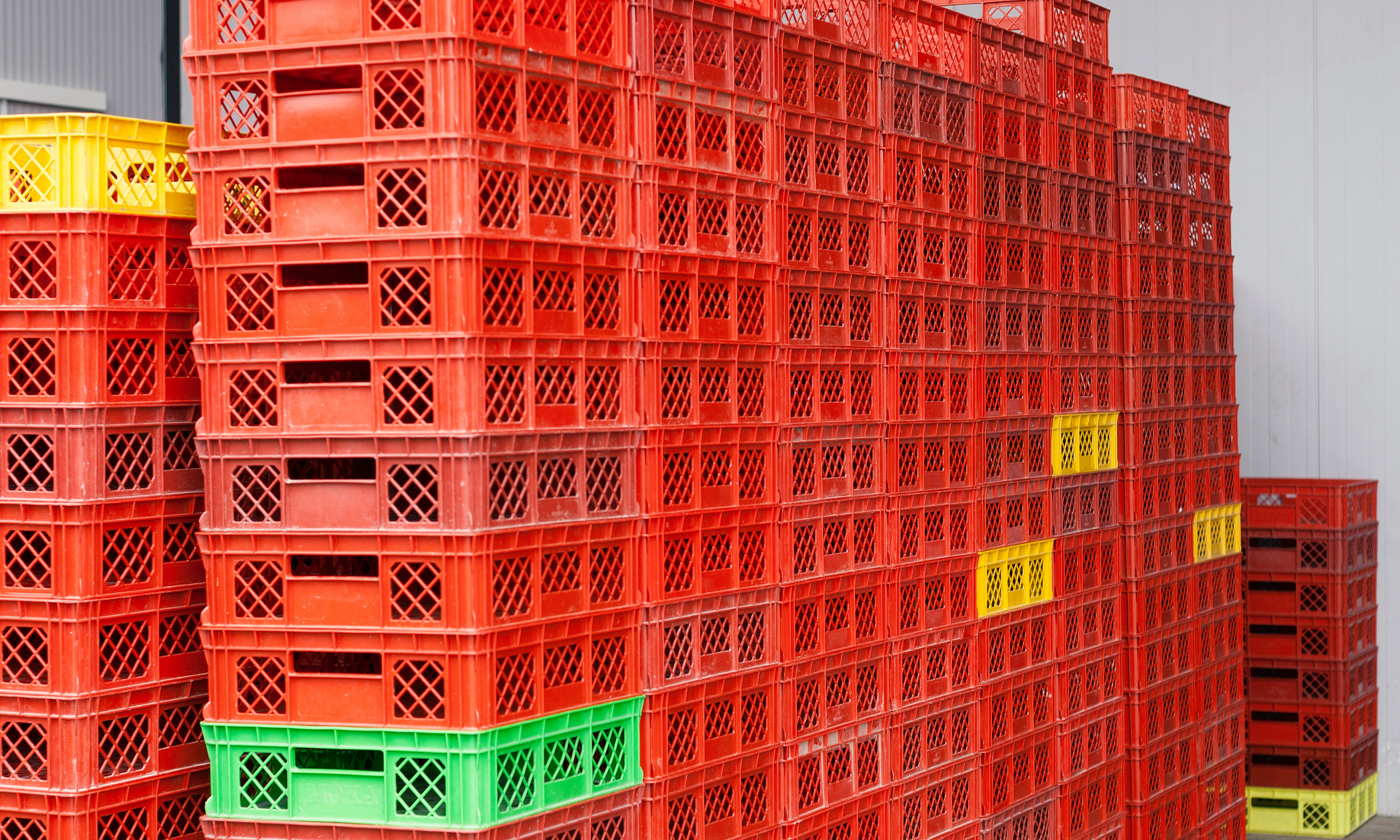
Overview: Food and beverage manufacturers lose millions annually on returnable transport items, but the real cost is the invisible supply chain performance. Most operations track products but not the trays, crates, and baskets moving them—creating accountability gaps at handoffs, unmeasured dwell times at partner facilities, and failed reconciliation at scale. Antares Vision Group’s Returnable Asset Management uses RFID and barcode tracking to provide real-time visibility across distribution networks, enabling manufacturers to reduce container costs by 33%, optimize asset utilization, and hold logistics partners accountable with data. One national food manufacturer tracked 8 million containers across 11,000 routes, cutting their asset pool by 25% and saving over $5 million in the first year.
Keywords: returnable asset management, RTI tracking, returnable transport items, RFID tracking, supply chain visibility, food and beverage manufacturing, container tracking, tray management, crate tracking, dwell time optimization, 3PL accountability, Antares Vision Group
A national food manufacturer was losing $5 million annually on returnable trays. The real problem wasn’t the cost—it was that they had zero visibility into what was actually happening at distribution centers, co-packers, and loading docks across 11,000 routes.
Products moved through WMS and ERP systems with full traceability. The trays carrying them? Invisible until procurement noticed replacement spending had doubled.
The Blind Spot
RTIs—trays, crates, baskets—are the only assets that touch every node in your network. Your plant. Co-packers. Distribution centers. Retail delivery points. They cycle through dozens of facilities and hundreds of handoffs per year.
They’re also the only thing generating zero data.
This creates three problems:
No accountability at handoffs. A bakery ships trays to 40 distribution centers. Products get scanned. Trays don’t. When 2,000 trays disappear over six months, nobody knows where. Both parties signed the product load. Nobody signed for the containers. Disputes go unresolved. The manufacturer orders replacements.
Dwell time you can’t measure. A co-packer receives 5,000 trays on Monday. Production doesn’t start until the following Monday. Empties sit for two weeks. Nobody flags it because nobody’s tracking it. One manufacturer discovered they were running 30% more containers than necessary just to buffer unpredictable returns—capital tied up because they couldn’t see the delays.
Zero leverage with partners. You can’t fix what you can’t prove. When a 3PL is consistently slow to return empties, but you have no data, you can’t renegotiate terms. When a distributor’s count doesn’t match yours, someone’s wrong—and manual reconciliation fails at scale.
Real-Time Tracking Across Your Network
Antares Vision Group’s Returnable Asset Management solution uses RFID tags and barcodes to track every container in real time across your entire supply chain. Every tray, crate, and basket gets a unique identifier linked to the Antares Vision Group Cloud Platform.
RFID readers at dock doors, production lines, and shipping gates capture transactions automatically. When a tray leaves your facility, the system records the route, customer, and expected return date. When it returns, the scan updates availability immediately.
This eliminates reconciliation disputes. Both sender and receiver see identical transaction data through web portals. A supplier knows exactly which trays are shipped with each delivery. The customer confirms what arrived and when empties were returned. No more phone calls, spreadsheets, or manual counts.
Now you can answer invisible questions:
- Which DCs hold containers 3x longer than average?
- Which routes have the highest loss rates?
- Where are containers stuck, and for how long?
Configurable KPIs and automatic alerts flag problems before they become crises. If a distribution center consistently holds containers for 20 days instead of 7, the system alerts you. Supply chain directors can intervene before delayed returns force emergency purchases.
One food manufacturer tracked 8 million containers across 11,000 routes. Within 60 days, they identified six DCs with chronic dwell problems—20+ days instead of the contracted 7-day window. They renegotiated SLAs, added detention fees, and reallocated volume. Cycle times improved 40%. They cut their container pool by 25% without impacting operations.
When containers do go missing, the root cause investigation starts with data. The system shows the last facility to scan each container and exactly when. One bakery proved that a 3PL was under-reporting returns, recovered $400K in assets, and restructured the contract with performance penalties.
The platform also supports asset lifecycle management—maintenance schedules, washing cycles, and inspection tracking. Containers get pulled from circulation automatically when they hit age or cycle thresholds, extending asset life and preventing field failures.
Seamless Integration
Antares Vision Group integrates bi-directionally with SAP, Oracle, and other ERP platforms. Container movements update inventory records automatically. Expected return dates trigger transport orders. Utilization data feeds procurement planning.
Third parties access live visibility through web portals without installing separate software. EPCIS standards enable different systems to exchange container data without custom integrations—a manufacturer using SAP can share tray transactions with a 3PL running a different WMS.
The integration enables partner accountability. Logistics providers and customers see their own performance data: containers received, dwell time, and return rates. When the data is shared and trusted, disputes decrease.
The Results
First-year results from the national manufacturer:
- 33% reduction in container costs ($5M+ savings)
- 25% smaller asset pool through dwell time optimization
- Eliminated manual reconciliation across thousands of locations
- Extended container life through scheduled maintenance
The ROI came from operational visibility. They couldn’t optimize what they couldn’t see.
Implementation
Deployments phase in by region or partner, validating read accuracy before scaling. RFID portals are installed at dock doors. Existing containers get tagged during normal return cycles—no shutdown required.
Partner onboarding is critical. Suppliers, co-packers, and 3PLs must scan receipts and returns. Antares Vision Group works directly with partners during deployment to install readers, train staff, and validate scans happen at every transaction point. Most comply when they see benefits: fewer disputes, faster reconciliation, and visibility into their own operations.
Update contracts before deployment: Who pays for losses? What dwell time is acceptable? Penalties for non-compliance? Financial consequences drive scanning compliance.
Next Steps
If you’re losing more than 5% of containers annually, or reconciliation requires manual counts and disputed claims, the problem is data capture.
Ready to see what visibility into your actual supply chain looks like? Contact our team to see how food and beverage manufacturers are cutting multi-million dollar losses with Antares Vision Group Returnable Asset Management.