
Returnable Asset Management: The True Cost of RTI Loss
What operations and supply chain leaders in manufacturing are losing — and why most organizations are only counting part of the problem
Overview
Every year, manufacturers and distributors lose between 15% and 30% of their returnable transport item fleets to unreported loss, customer-site misplacement, and transit shrinkage, at a replacement cost that reaches $1.5 billion annually in the USA alone. Most do not know the scale of the problem until they run a physical audit. By then, the capital replacement cost, the rental overages, and in some cases the compliance liability are already compounded. This guide breaks down the five cost categories most organizations miss when accounting for RTI loss, explains why standard inventory processes cannot catch it, and gives operations and supply chain leaders a practical framework for sizing the problem in their own operation. ACSIS, part of Antares Vision Group, builds Returnable Asset Management programs for exactly this environment.
Ask most operations leaders how much they are losing to unreturned pallets and containers each year, and you will get one of two answers: a rough estimate, or a shrug. Both are the wrong answer.
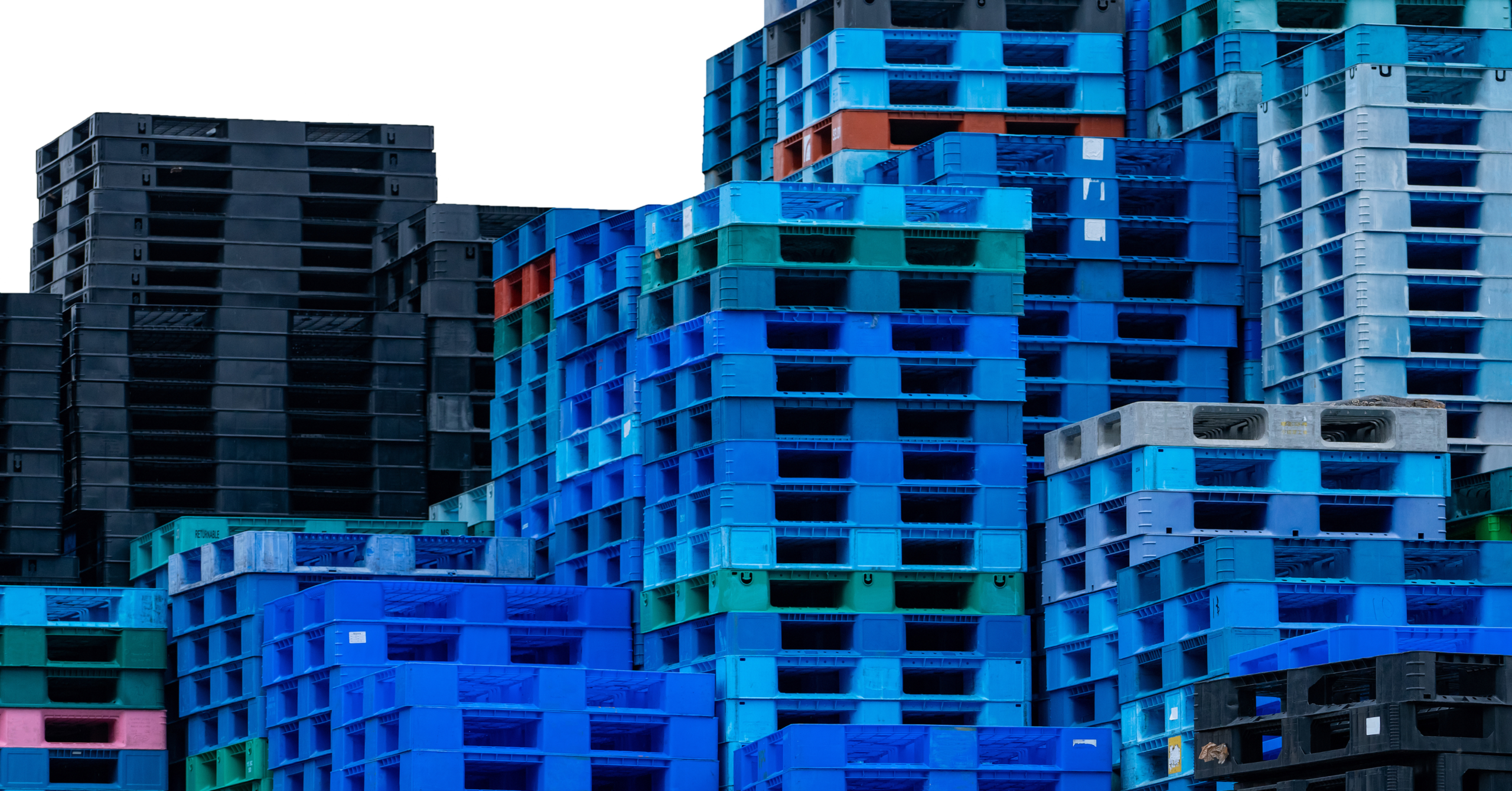
In manufacturing, returnable transport items, pallets, intermediate bulk containers, crates, totes, racks, and reusable packaging represent one of the largest unmanaged asset categories on the balance sheet. They leave the facility every day in the hands of customers, carriers, and contract manufacturers. And far too often, a meaningful percentage of them never come back.
The losses that create records, such as a short shipment noted on a delivery receipt, a damaged rack returned when a customer closes their account, those get processed. The ones that do not create records are a different problem entirely, and they are where most of the financial exposure actually lives.
According to data from Rehrig Pacific and Deloitte, cited by Packaging Revolution, between 15% and 30% of returnable assets are lost, stolen, or misplaced every year, replacement alone costs US manufacturers between $800 million and $1.5 billion annually, and RTI replacement consumes a significant portion of a typical supply chain budget. Most of that spending is invisible until someone runs a physical audit.
The Visible Losses vs. the Invisible Ones
Consider what typically goes untracked in most manufacturing operations:
- Pallets and containers left at customer docks that are never formally returned or invoiced
- Reusable packaging is absorbed into customer operations and repurposed for internal use
- RTIs held at third-party logistics providers that were never flagged as overdue
- Assets written off as damaged that are still in circulation, just not in your system
- Seasonal inventory peaks that inflate the fleet, with only partial recovery afterward
Each of these represents a cost that does not appear on a line item. The pallet is simply gone. And because the loss is gradual, it rarely triggers the kind of investigation that visible, acute problems would.
Unlike single-use packaging, returnable transport items are capitalized assets. Every unit lost is a depreciation event, a replacement purchase, and a gap in fill capacity, all at once. At scale, the compound effect on working capital is significant.
The Five Cost Categories Most Organizations Miss
Most leaders think about RTI loss in terms of replacement cost, the price of buying a new pallet or container to replace the one that did not come back. That is the most obvious cost, but it is rarely the largest one. Here are the five categories that compound the true financial impact:
1. Replacement Purchasing
The direct cost of replenishing lost assets is the easiest to see in procurement reports. For high-value RTIs, euro containers, metal racks, and IBCs, this cost alone can run into hundreds of thousands of dollars annually for mid-size manufacturers. For commodity pallets, replacement often becomes the single largest unplanned spend in the logistics budget. The industry-wide figure speaks to the scale: according to data from Rehrig Pacific and Deloitte, cited by Packaging Revolution, plastic pallet and container loss in the US runs between $800 million and $1.5 billion annually in replacement purchasing alone — before rental overages, expediting costs, or compliance exposure are factored in.
2. Rental and Lease Overages
Many manufacturers supplement their owned RTI fleets with rental pools. When owned assets disappear, operations compensate by renting, creating a recurring lease cost that would not exist if those assets had been recovered. The rental spend becomes a permanent line item that masks the underlying problem rather than resolving it. The ACSIS ROI Calculator lets you plug in your own container loss rate, fleet size, and rental spend to get a specific dollar figure on what that dynamic is costing your operation.
3. Operational Disruption and Expediting
When returnable packaging runs short at a critical moment, such as peak production, a new product launch, or a large customer order, the cost is not just the replacement asset. It is the premium freight to expedite new stock, the production delay while packaging is sourced, and the labor hours spent managing the shortage. These costs are rarely attributed back to RTI loss in financial reporting, which means the true cost stays understated.
4. Customer and Carrier Relationship Friction
Chasing unreturned assets creates friction. Billing customers for deposits they dispute, following up with carriers on overdue containers, and managing claims with logistics partners. All of this consumes account management and customer service resources that could be directed elsewhere. RTI disputes are a source of tension that does not need to exist.
5. Compliance and Audit Exposure
In regulated manufacturing environments, pharmaceutical, food and beverage, chemical, and returnable packaging is subject to hygiene inspection, calibration, and traceability requirements under FDA, FSMA, and customer-mandated chain-of-custody standards. An asset that cannot be located cannot be proven compliant. Missing containers create documentation gaps that auditors and customers expect to be filled on demand. The cost of a single compliance finding can far exceed the replacement value of the assets that triggered it.
Why Standard Inventory Processes Do Not Catch This
Most manufacturing organizations manage raw materials, finished goods, and production equipment with sophisticated inventory systems. Returnable transport items are frequently managed with something far simpler, a spreadsheet, a deposit tracking ledger, or nothing at all.
The reasons are understandable. RTIs move across organizational boundaries. They travel to customer sites, carrier yards, third-party warehouses, and contract manufacturers, places where your inventory system has no visibility. They return on irregular schedules, handled by delivery drivers and warehouse associates who have no reason to think of themselves as asset custodians.
Standard cycle counts capture what is inside your four walls. They cannot tell you how many containers are sitting in a customer’s overflow lot three states away, or which carrier depot has been quietly accumulating your pallets for two quarters.
That is exactly the problem that Returnable Asset Management is built to solve. Without continuous tracking from the point of dispatch to confirmed return, these losses are effectively invisible until they are already material.
What Returnable Asset Management Actually Looks Like
Closing the visibility gap requires more than a better spreadsheet. It requires a system where every RTI in your fleet has a permanent identity and every movement creates a record. ACSIS, part of Antares Vision Group, has built its Returnable Asset Management platform around exactly that principle. From the moment a pallet, container, or tote leaves your facility to the moment it is confirmed returned and inspected, the system maintains a continuous chain of custody.
In practice, that means:
- Real-time location awareness, knowing whether an asset is at a customer site, in transit, or overdue for return
- Automated dwell-time alerts, flagging containers held at a customer location beyond the contracted return window before they become write-offs
- Cycle count automation, using RFID or mobile scanning to verify physical inventory against system records in a fraction of the time manual counts take
- Customer and carrier accountability, deposit billing, return reconciliation, and dispute documentation backed by timestamped scan records
- Compliance-ready audit trails that satisfy chain-of-custody requirements under FDA, FSMA, and customer audit standards
The goal is not to create more reporting work. It is to surface what manual processes cannot see, and then eliminate it systematically.
How to Size Your RTI Loss in 30 Minutes
These four questions can help you size the problem in your own operation quickly:
How large is the gap between assets dispatched and assets confirmed returned in the last 12 months?
If you cannot answer this with a specific number, not an estimate, your tracking is insufficient. That gap is where the losses live.
What percentage of your RTI rental spend is compensating for assets that should have returned but did not?
Pull your last four quarters of rental invoices and compare them to your asset replacement purchasing over the same period. If both are elevated simultaneously, you are renting to cover losses rather than to manage peaks.
How many customer accounts have open RTI balances more than 90 days old?
Long-outstanding balances are a leading indicator of permanent loss. Containers at a customer site for more than three months without a return event are unlikely to come back without active intervention.
Can you produce a full chain-of-custody record for any individual container on demand?
If your answer is no, you are carrying compliance and audit risk on top of the financial exposure.
Once you have worked through those questions, the ACSIS ROI Calculator is the fastest way to put a dollar figure on what you found. Enter your monthly container loss, cycle count frequency, and labor hours, dwell-time numbers, and material handling costs. It breaks out lost container savings, labor efficiency gains, and working capital tied up in non-moving assets, and gives you a total annual figure you can take into a budget conversation. Most leaders who run through it come out with a number larger than they expected.
The Assessment That Every RTI Program Starts With
The hidden cost of lost pallets, containers, and reusable packaging is not a new problem. What is new is the ability to solve it at scale, with Returnable Asset Management technology built specifically for distributed, multi-customer, multi-carrier RTI programs.
ACSIS works with manufacturing leaders to design Returnable Asset Management programs that deliver measurable reductions in RTI loss, rental spend, and compliance exposure, typically within the first year of deployment.
The next step is a structured 30-minute assessment of your RTI fleet, your existing tracking infrastructure, and your loss patterns. You will walk away with a written gap analysis covering your current visibility, your compliance exposure, and a clear picture of where a Returnable Asset Management program would have the most immediate financial impact.
Contact us today to schedule that assessment. Bring your dispatch and return numbers, your rental spend, and your biggest tracking headaches. That is exactly what we are built for.